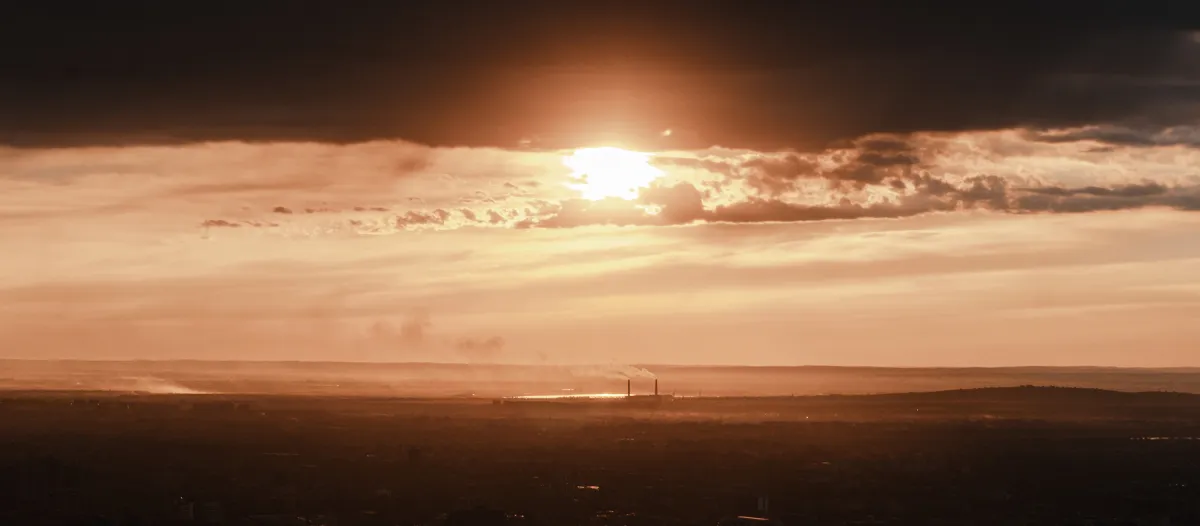
 Sunset over Almaty. In the distance, the smokestacks of the thermal power plant are visible. Taken in 2018.
Almaty — meaning "Father of Apples" — is the largest city in Kazakhstan, nestled at the foot of the Trans-Ili Alatau mountains. Founded in 1854 as the Russian military fortification of Verniy, it served as the capital of the Kazakh SSR from 1929 and then of independent Kazakhstan until 1997, when the capital was moved to Astana.
The city sits at an elevation of roughly 800 meters, with its southern neighborhoods climbing toward alpine meadows and glaciers. This dramatic backdrop — snow-capped peaks rising directly behind Soviet-era apartment blocks and glass towers — gives Almaty a visual identity unlike any other Central Asian city.
Historically, the region is considered the ancestral home of the domestic apple: the wild apple forests of the nearby Tien Shan are the genetic origin of Malus domestica. The city's name reflects this heritage.
Today Almaty remains Kazakhstan's cultural and financial hub — home to most of the country's tech companies, universities, and creative industries — while Astana handles the administrative role. With a population approaching two million, it blends Soviet grid planning, post-independence glass-and-steel ambition, and the ever-present mountains that make orientation effortless: south is always up.